
gas

Rising energy costs have many homeowners searching for smarter ways to cut back on monthly bills without sacrificing comfort. From heating systems to everyday appliances, gas usage often makes up a large portion of household expenses. Gas South plans can be a practical step toward managing costs more effectively, as they often provide flexible rates and tailored solutions. Pairing the right plan with mindful energy habits allows families to maximize savings while keeping their homes warm and efficient. With a little strategy, homeowners can take control of their gas expenses and enjoy greater financial breathing room year-round.

Improve Appliance Efficiency
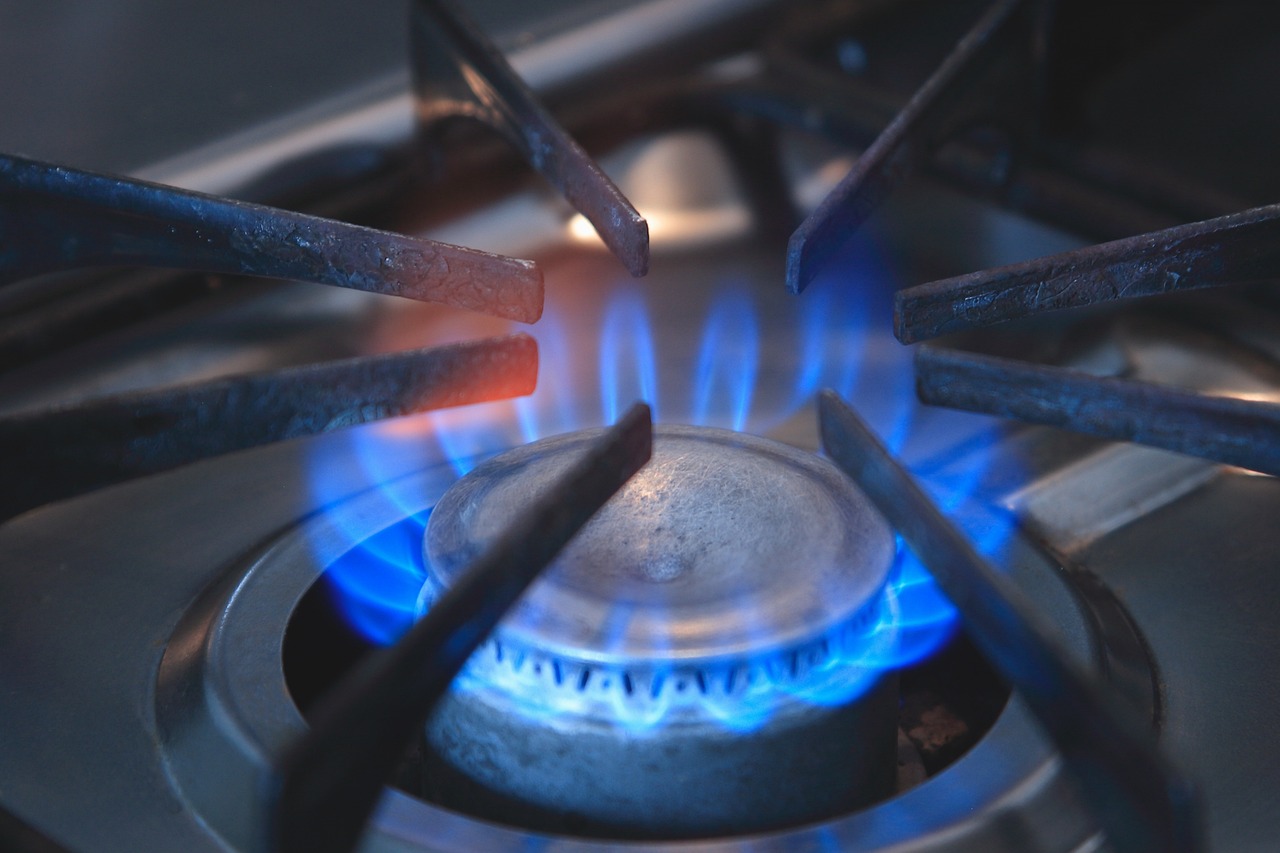
gasOld appliances can drain more gas than you might expect. Furnaces, water heaters, and stoves gradually lose efficiency over time, forcing them to consume more energy for the same output. Upgrading to newer models rated for energy efficiency can reduce long-term costs, even if the upfront investment feels heavy. If replacing appliances isn’t an option right away, regular maintenance such as cleaning burners and checking seals goes a long way. A well-maintained system doesn’t just save money—it also lasts longer, sparing you from frequent repairs. Treat your appliances as partners, not burdens, and they’ll reward you with lower bills.

Insulation and Sealing Matter

You can have the most efficient gas furnace in the neighborhood, but if your home leaks warm air, the system will still work overtime. Insulating walls, attics, and floors helps retain heat, cutting down on wasted energy. Even simple fixes, like sealing gaps around windows and doors, can make a noticeable difference. Think of your house as a thermos—it works best when nothing escapes. Proper insulation not only lowers gas consumption but also improves overall comfort by eliminating drafts and cold spots. It’s a one-time investment that continues to pay dividends year after year.

Use Gas Strategically

Sometimes saving comes down to timing and habits. Running the dishwasher or laundry during off-peak hours may not change your gas rate directly, but it can reduce strain on your system. Lowering the thermostat just a few degrees, especially while you’re asleep or away, can also cut costs significantly. Installing a programmable thermostat automates this process, so you don’t have to remember every adjustment. Small behavioral changes, like taking shorter showers or using lids when cooking, might sound minor, but they add up. Being mindful of how you use gas is often the simplest way to save.

Consider Alternative Energy Sources
heater

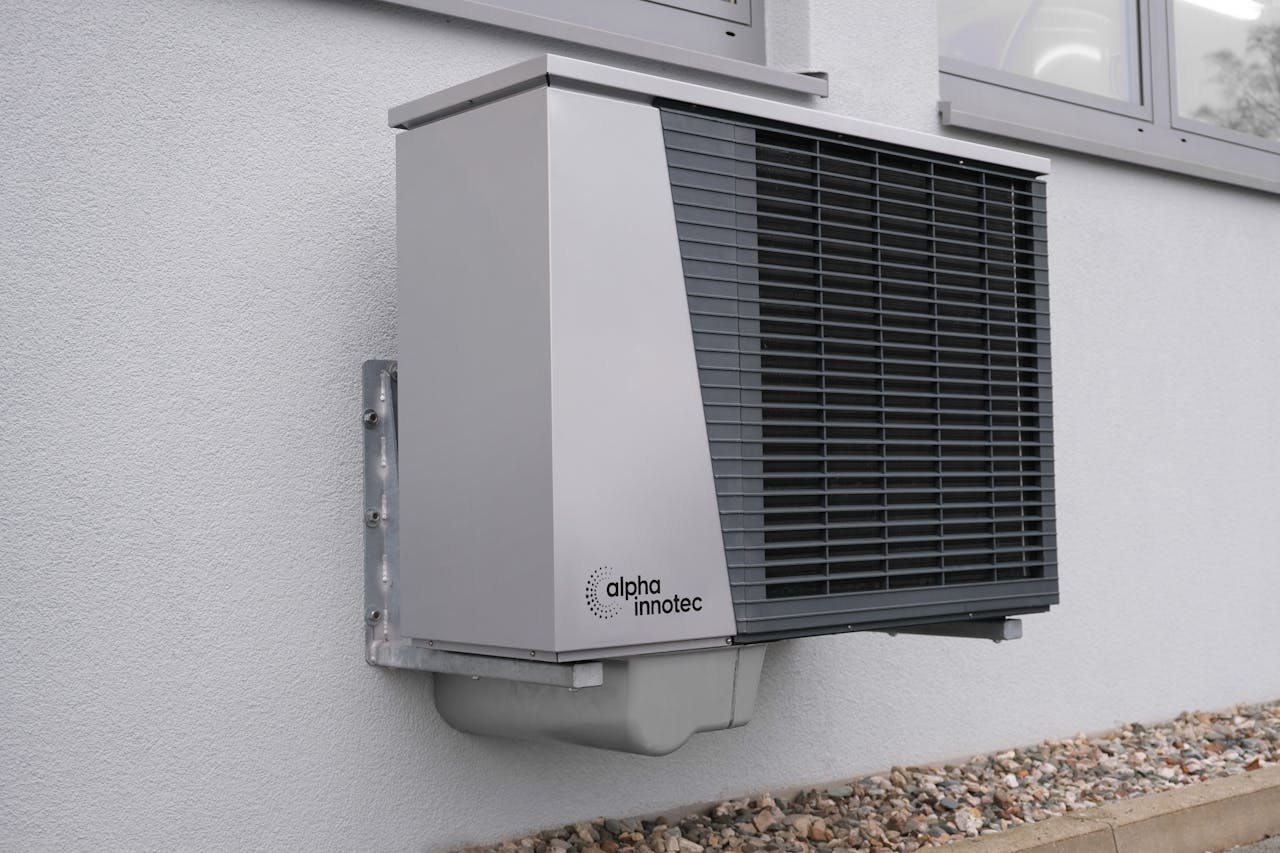
Another way to reduce gas consumption is by supplementing it with alternative energy. Solar water heaters, electric heat pumps, or even hybrid systems can take pressure off your gas usage. While these options may require upfront investment, they can drastically reduce dependence on gas over time. In some cases, government incentives or rebates make the transition more affordable. By blending different energy sources, you’ll not only save on gas bills but also contribute to a more sustainable household. Think of it as spreading the workload so your gas system doesn’t carry all the weight.

Regular Inspections for Safety and Savings

Gas systems that aren’t inspected regularly can develop leaks or inefficiencies that silently increase costs. Scheduling annual inspections with a licensed professional ensures everything is running safely and efficiently. A small fix today often prevents expensive repairs down the road. Inspections also help detect hidden issues that waste energy without obvious signs. Keeping safety and savings hand in hand makes inspections one of the smartest strategies for homeowners. Think of it as an annual check-up that keeps your home in good shape and your bills under control.

Saving on gas doesn’t require drastic lifestyle changes or endless sacrifices. By focusing on efficiency, insulation, smart usage habits, alternative energy, and regular inspections, homeowners can significantly lower bills while maintaining comfort. The investment of time and resources upfront leads to long-term savings and peace of mind. With gas prices unlikely to drop anytime soon, taking proactive steps today can make all the difference tomorrow. A little attention now keeps your home warm, your systems safe, and your wallet far healthier in the long run.


moving in

Moving into a new home is often a mix of excitement and exhaustion. After the hard work of packing, getting transportation services from van companies in Chiswick, and unpacking, some struggle with settling in quickly. The adjustment period can feel overwhelming, but with the right approach, you can transform your new space into a welcoming home in no time. Settling in efficiently not only makes the transition smoother but also helps you feel grounded and at ease in your new environment.

Unpack Essentials First

essential items

One of the most effective ways to settle in quickly is to unpack your essentials first. Items like toiletries, kitchen supplies, bedding, and clothing should be prioritized so that you can function normally right away. Having the basics accessible makes everyday tasks easier and prevents unnecessary stress during the first few days. Once these items are in place, you can gradually move on to unpacking less urgent belongings.

Personalize Your Space

A new house or apartment often feels unfamiliar until you add your own personal touch. Decorating with photos, artwork, or favorite pieces of furniture can instantly make the space feel like home. Even small details, such as your preferred bedding or a familiar rug, help create a sense of comfort. Adding these elements early on ensures that you start building an emotional connection to your new surroundings.

Establish a Routine

routines

Creating a routine as soon as possible can make a big difference in how quickly you settle in. Simple habits like having meals at the same time, setting up a workspace, or taking an evening walk in the neighborhood create structure in your day. These routines help normalize the new environment and reduce the feeling of displacement.

Explore the Neighborhood

Familiarizing yourself with the local area is just as important as organizing the home itself. Taking time to explore nearby shops, parks, restaurants, and public transportation options can make you feel more connected to your new community. Meeting neighbors or simply greeting people around you helps establish a sense of belonging, which makes the move feel less isolating.

Stay Organized During Unpacking

organized

Rushing through unpacking can lead to clutter and misplaced items, making it harder to feel settled. Instead, approach unpacking with a plan. Labeling boxes clearly and focusing on one room at a time allows for smoother progress. Staying organized reduces stress and ensures that you create a functional living space more quickly.

Maintain Connections

Moving can sometimes feel lonely, especially if you’ve relocated to a new city. Staying in touch with friends and family can provide emotional support during the transition. Inviting loved ones to visit your new home or sharing updates about your move helps maintain connection while you build new relationships in your area.

Settling in after a move doesn’t have to take weeks or months. By focusing on unpacking essentials, personalizing your space, building routines, and exploring your surroundings, you can feel at home in no time. Staying organized and maintaining connections ensures the transition is smooth, making your new house or apartment not just a place you live, but a place you truly belong.

new apartment

Moving into a new apartment is often exciting, marking the beginning of a fresh chapter. However, it can also be stressful and overwhelming if not approached with proper planning. Clapham moving tips come in handy, but many people rush into the process and overlook important details, which can lead to unnecessary costs, frustration, or even safety issues. Understanding the common mistakes tenants make when relocating to a new apartment can help you prepare better and ensure a smoother transition.

Overlooking the Lease Agreement

One of the biggest mistakes new tenants make is failing to read and fully understand the lease agreement. A lease is a legally binding contract that outlines your responsibilities, the landlord’s duties, and the rules of the property. Skipping through the details can cause problems later, such as unexpected fees, restrictions on modifications, or misunderstandings about maintenance. Taking the time to review and clarify the terms with your landlord can prevent disputes down the line.

Failing to Inspect the Apartment Before Moving In

inspection

Another common error is moving in without conducting a thorough inspection of the property. Checking for damages, faulty appliances, or maintenance issues before you settle is essential. Documenting the apartment’s condition with photos and sharing them with the landlord protects you from being blamed for pre-existing problems when moving out. Without this step, you may end up losing part of your security deposit unfairly.

Underestimating the Moving Process

Many tenants underestimate the effort involved in moving. From packing and labeling boxes to arranging transport, moving requires significant organization. Leaving tasks until the last minute can result in forgotten items, lost belongings, or unnecessary stress. Planning ahead, booking movers or a man and van service in advance, and keeping essentials handy for the first night can make the process smoother.

Forgetting About Utilities and Address Changes

It’s easy to focus on packing and overlook setting up utilities like electricity, water, and internet in advance. Arriving at a new apartment without these essentials ready can make the first few days uncomfortable. Similarly, forgetting to update your address for mail, banking, and subscriptions can lead to delays or missed communications. Handling these tasks before moving day saves time and ensures a seamless transition.

Overpacking or Bringing Unnecessary Items

Moving into a new apartment is the perfect opportunity to declutter, but many people make the mistake of bringing everything they own. Apartments often have limited space, and overcrowding with unnecessary items can make the new home feel cramped. Sorting through belongings and donating or selling items you no longer need makes unpacking easier and helps create a more comfortable living space.

Neglecting Safety Checks

Safety is another important aspect that new tenants sometimes overlook. Checking locks on doors and windows, testing smoke detectors, and identifying fire exits should be part of the move-in process. Neglecting these checks can put you at risk in case of emergencies. Simple safety steps provide peace of mind and ensure your new apartment is secure from the start.

Moving into a new apartment should be an exciting experience, but avoiding common mistakes makes all the difference. From reviewing your lease and inspecting the property to organizing your move and checking safety measures, preparation is key. By taking these steps, you can transition into your new home with confidence and avoid unnecessary stress

CS

Running a business is no small feat, especially when you’re juggling everything from sales to customer service to admin work. Phone calls missed messages, and appointment scheduling can eat into your productivity before lunchtime. That’s where a virtual receptionist can make a big impact. These remote professionals handle your calls and communication so you can focus on growing your business. More than just a cost-saving measure, a virtual receptionist can completely transform the way your business operates—for the better.

A Perfect Fit for Digital Workflows

As more companies embrace remote and hybrid setups, the benefits of a virtual receptionist for a digital business become clearer. When your team is spread out or constantly on the move, having a centralized, professional point of contact ensures nothing slips through the cracks. Virtual receptionists integrate smoothly with online scheduling tools, CRMs, and messaging systems, making them a seamless part of your workflow. Instead of chasing down voicemails or double-booking appointments, your team can rely on a professional to keep everything running smoothly—remotely.

Professionalism Without the Overhead

call center

Hiring a full-time, in-house receptionist might not be in the cards—especially for small businesses or startups. Between salary, benefits, and office space, the costs can add up fast. A virtual receptionist offers the same professional service without the financial burden. You get live call answering, message taking, and even appointment setting, often for a fraction of the cost. It’s an affordable way to present a polished image to your customers without stretching your budget.

More Time for What Matters

If you’ve ever been interrupted five times during a meeting by phone calls, you already know how draining it can be. A virtual receptionist acts as a buffer, filtering out non-urgent calls so you can stay focused on high-value tasks. Whether you’re meeting with clients, brainstorming with your team, or finally getting to that strategy doc, you’ll have more uninterrupted time to do your best work.

Easy to Scale as You Grow

One of the best things about virtual receptionist services is how flexible they are. As your business grows, you can scale your service up or down based on call volume or seasonal needs. Maybe you need weekend coverage during your busy season or just a few hours of support each day. Whatever the case, virtual receptionists offer that kind of agility—something a full-time hire simply can’t match.

Better Customer Experience, Every Time

angry customer

Customer service is everything. If someone calls your business and gets a voicemail or, worse, no answer at all, chances are they’re not calling back. A virtual receptionist ensures every call is answered promptly and professionally, creating a better experience from the first touchpoint. They can answer FAQs, direct calls appropriately, or take detailed messages so nothing is missed. It’s a small detail that can have a big impact on customer satisfaction—and your reputation.

Communication Across Time Zones and Locations

If your business serves clients across different time zones or has remote teams in multiple locations, keeping communication consistent can be a challenge. Virtual receptionists can cover extended hours or work shifts to make sure your calls are always answered. Whether it’s early morning inquiries or after-hours emergencies, your business stays responsive no matter where or when your customers reach out.

A virtual receptionist is more than just someone who answers the phone—it’s a smart, scalable solution that helps your business stay organized, professional, and customer-focused. By taking routine tasks off your plate, reducing overhead, and keeping communication seamless, virtual receptionists free you up to focus on what matters most. For businesses looking to grow without the chaos, they’re not just helpful—they’re essential.