
Rising energy costs have many homeowners searching for smarter ways to cut back on monthly bills without sacrificing comfort. From heating systems to everyday appliances, gas usage often makes up a large portion of household expenses. Gas South plans can be a practical step toward managing costs more effectively, as they often provide flexible rates and tailored solutions. Pairing the right plan with mindful energy habits allows families to maximize savings while keeping their homes warm and efficient. With a little strategy, homeowners can take control of their gas expenses and enjoy greater financial breathing room year-round.
Improve Appliance Efficiency
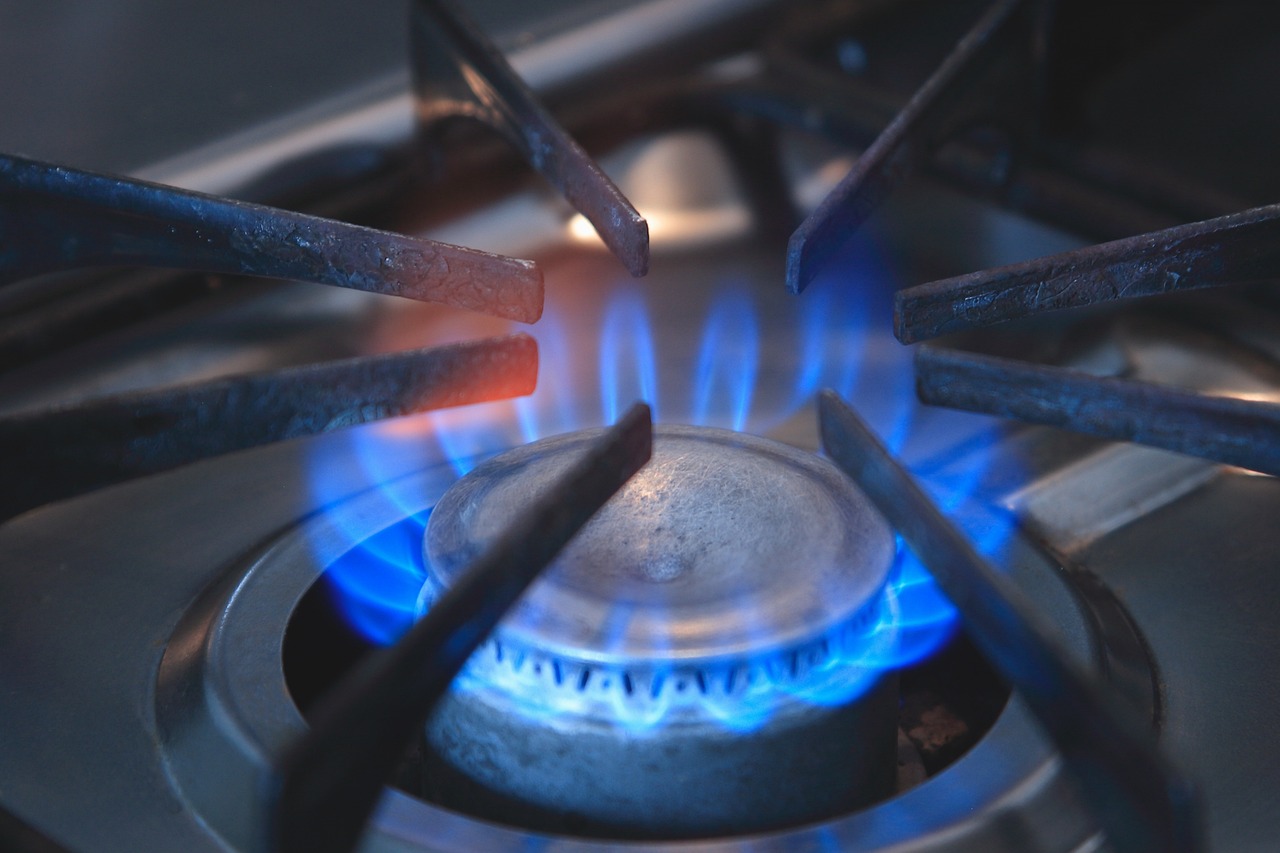 Old appliances can drain more gas than you might expect. Furnaces, water heaters, and stoves gradually lose efficiency over time, forcing them to consume more energy for the same output. Upgrading to newer models rated for energy efficiency can reduce long-term costs, even if the upfront investment feels heavy. If replacing appliances isn’t an option right away, regular maintenance such as cleaning burners and checking seals goes a long way. A well-maintained system doesn’t just save money—it also lasts longer, sparing you from frequent repairs. Treat your appliances as partners, not burdens, and they’ll reward you with lower bills.
Insulation and Sealing Matter
You can have the most efficient gas furnace in the neighborhood, but if your home leaks warm air, the system will still work overtime. Insulating walls, attics, and floors helps retain heat, cutting down on wasted energy. Even simple fixes, like sealing gaps around windows and doors, can make a noticeable difference. Think of your house as a thermos—it works best when nothing escapes. Proper insulation not only lowers gas consumption but also improves overall comfort by eliminating drafts and cold spots. It’s a one-time investment that continues to pay dividends year after year.
Use Gas Strategically
Sometimes saving comes down to timing and habits. Running the dishwasher or laundry during off-peak hours may not change your gas rate directly, but it can reduce strain on your system. Lowering the thermostat just a few degrees, especially while you’re asleep or away, can also cut costs significantly. Installing a programmable thermostat automates this process, so you don’t have to remember every adjustment. Small behavioral changes, like taking shorter showers or using lids when cooking, might sound minor, but they add up. Being mindful of how you use gas is often the simplest way to save.
Consider Alternative Energy Sources
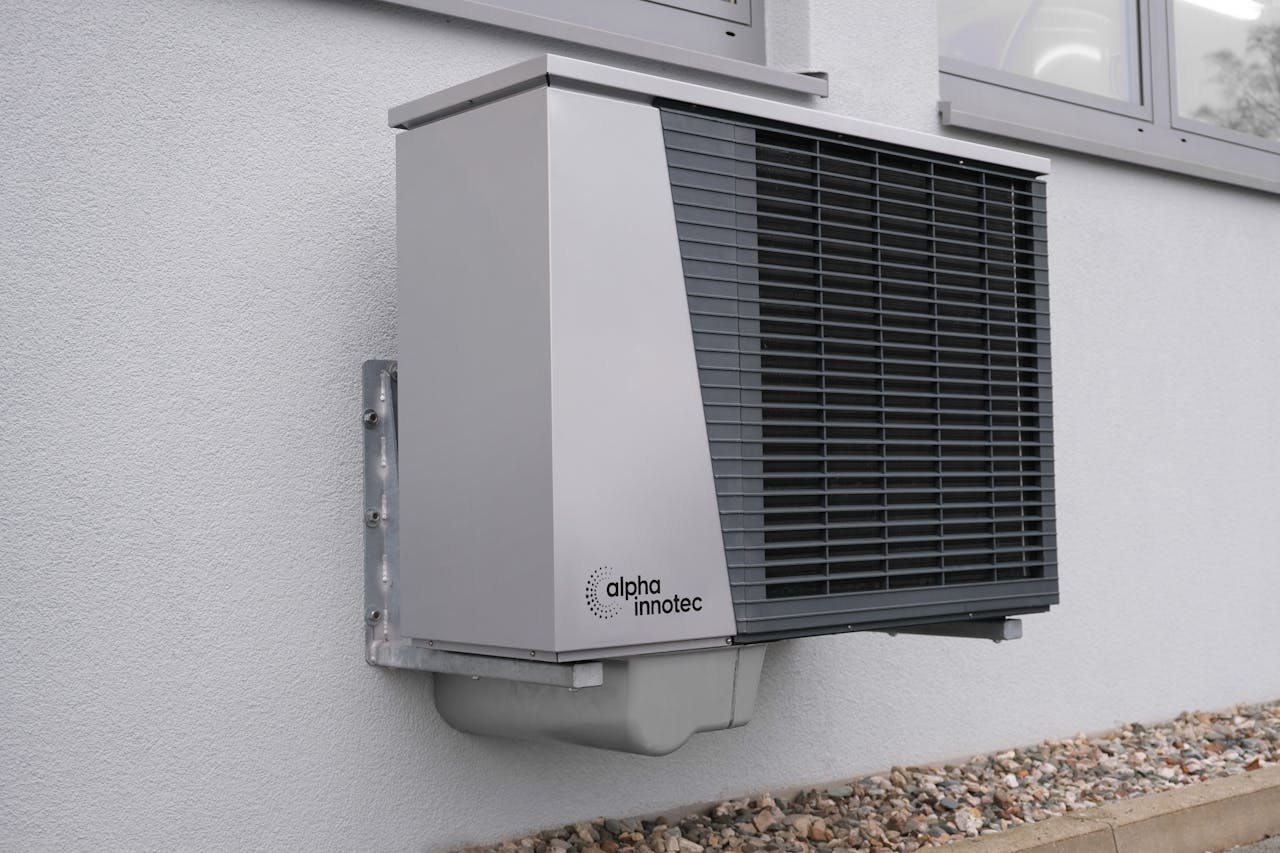
Another way to reduce gas consumption is by supplementing it with alternative energy. Solar water heaters, electric heat pumps, or even hybrid systems can take pressure off your gas usage. While these options may require upfront investment, they can drastically reduce dependence on gas over time. In some cases, government incentives or rebates make the transition more affordable. By blending different energy sources, you’ll not only save on gas bills but also contribute to a more sustainable household. Think of it as spreading the workload so your gas system doesn’t carry all the weight.
Regular Inspections for Safety and Savings
Gas systems that aren’t inspected regularly can develop leaks or inefficiencies that silently increase costs. Scheduling annual inspections with a licensed professional ensures everything is running safely and efficiently. A small fix today often prevents expensive repairs down the road. Inspections also help detect hidden issues that waste energy without obvious signs. Keeping safety and savings hand in hand makes inspections one of the smartest strategies for homeowners. Think of it as an annual check-up that keeps your home in good shape and your bills under control.
Saving on gas doesn’t require drastic lifestyle changes or endless sacrifices. By focusing on efficiency, insulation, smart usage habits, alternative energy, and regular inspections, homeowners can significantly lower bills while maintaining comfort. The investment of time and resources upfront leads to long-term savings and peace of mind. With gas prices unlikely to drop anytime soon, taking proactive steps today can make all the difference tomorrow. A little attention now keeps your home warm, your systems safe, and your wallet far healthier in the long run.